




Types of Engine Filters and How They Work

Filters are essential maintenance parts in engines and heavy machinery. Their main job is to remove dust, metal particles, water, carbon deposits and other harmful impurities before these contaminants damage key engine and hydraulic components.
For most engines, the three most common filters are the air filter, oil filter and fuel filter. They are often called the “three filters” because they protect the engine intake system, lubrication system and fuel system respectively.
Understanding the different types of filters and how they work helps equipment owners, repair workshops and spare parts buyers choose the correct replacement filter for each machine.
Main Types of Engine Filters
Engine filters can be divided into several major categories according to their application:
- Air Filter: removes dust and particles from the air before it enters the engine.
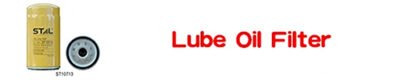
- Oil Filter: removes metal particles, carbon deposits and other impurities from engine oil.
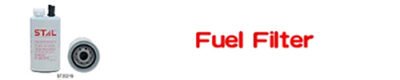
- Fuel Filter: removes dirt, rust, water and other contaminants from diesel, gasoline or gas fuel systems.
- Hydraulic Oil Filter: protects hydraulic pumps, valves and cylinders from oil contamination.
- Fuel/Water Separator: separates water from diesel fuel before it reaches sensitive fuel system components.
Among these, air filters, oil filters and fuel filters are the basic filters used in most engines. For construction machinery, agricultural machinery, trucks and diesel equipment, hydraulic filters and fuel/water separators are also very important.
Air Filter: Protecting the Engine Intake System
The air filter is installed in the engine intake system. It is usually made up of one or more filter elements inside a housing. Its main function is to remove harmful dust and particles from the air before the air enters the cylinders.
Clean intake air helps reduce early wear on the cylinder, piston, piston rings, valves and valve seats. If dust enters the engine, it can act like abrasive material and quickly damage internal engine parts.
Air filters are generally divided into two types: dry air filters and wet air filters.
Dry Air Filter
A dry air filter separates dust and impurities through a dry filter element, such as a paper element or synthetic filter media. This is the most common type used in modern vehicles, trucks and many types of machinery.
For light-duty vehicles, the air filter is usually a single-stage design. It may be round, oval, flat or panel-shaped. The filter media is commonly filter paper or non-woven material, while the end caps may be made of metal or polyurethane. The outer housing can be metal or plastic.
For heavy-duty vehicles and construction machinery, the working environment is much harsher. These machines often use multi-stage air filtration. The first stage may be a cyclone pre-cleaner, vane ring or swirl tube that removes larger dust particles. The second stage is usually a fine filter element made of microporous paper media. Some systems also include a safety element behind the main filter element.
The safety element is designed to protect the engine during maintenance or replacement of the main filter. It also helps prevent dust from entering the engine if the main filter element is damaged.
Wet Air Filter
Wet air filters include oil-wetted filters and oil bath air filters.
An oil-wetted air filter uses a filter element that has been treated with oil. Dust particles are captured as air passes through the oiled media. The filter element may be made of metal mesh, foam or other porous material.
An oil bath air filter directs dusty air into an oil reservoir. Larger dust particles are trapped by the oil first. Then the air passes upward through an oil-coated mesh element for further filtration. The oil droplets and trapped dust return to the oil bath.
Oil bath air filters are less common in modern road vehicles, but they may still be used in some agricultural machinery, marine engines and older equipment working in dusty environments.
Oil Filter: Protecting the Engine Lubrication System
The oil filter is installed in the engine lubrication system. Its upstream side is connected to the oil pump, and its downstream side supplies clean oil to moving engine parts that require lubrication.
The oil filter removes harmful impurities from the engine oil, such as metal particles, carbon deposits, sludge and other contaminants. Clean oil is then supplied to the crankshaft, connecting rods, camshaft, turbocharger, piston rings and other moving parts.
By keeping the oil clean, the oil filter helps the engine with lubrication, cooling and cleaning. It also helps extend the service life of key engine components.
Oil filters can be classified by structure and by system layout. By structure, common types include replaceable element oil filters, spin-on oil filters and centrifugal oil filters. By system layout, they can be divided into full-flow filters and bypass filters.
Replaceable Element Oil Filter
A replaceable element oil filter uses a separate filter element installed inside a metal housing. During maintenance, only the filter element and sealing parts need to be replaced.
This design can reduce replacement cost because the entire filter housing does not need to be changed. However, it has more sealing points and requires careful assembly. If springs, seals or other small parts are installed incorrectly, oil leakage or poor filtration may occur.
Spin-On Oil Filter
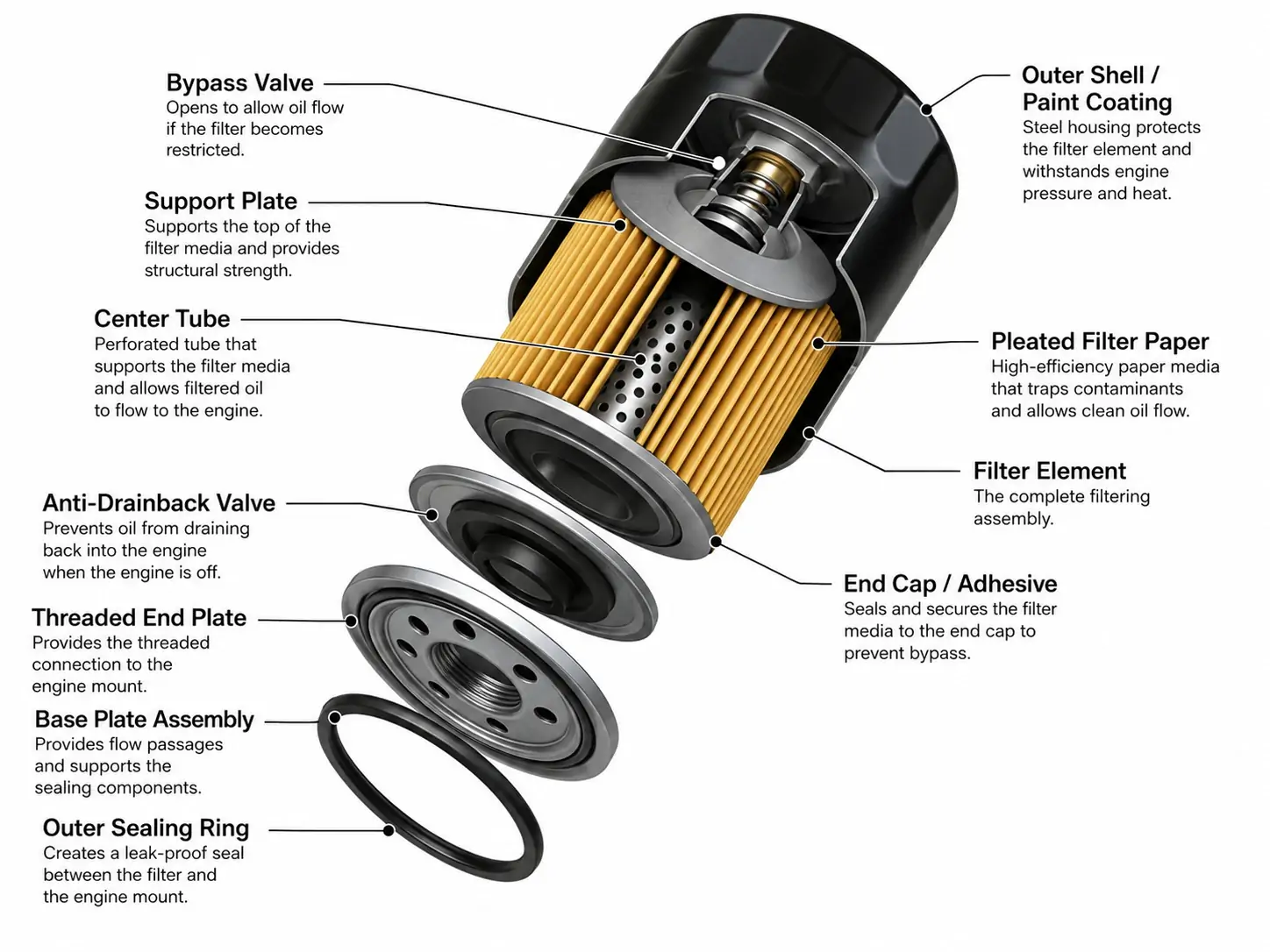
The spin-on oil filter is now one of the most widely used oil filter designs. It combines the filter element, metal housing, sealing gasket, anti-drainback valve and bypass valve into one complete unit.
The biggest advantage of a spin-on oil filter is easy replacement. The whole filter is removed and replaced as one part. This improves sealing reliability, reduces maintenance time and lowers the risk of missing internal parts during service.
Spin-on oil filters are widely used in passenger cars, trucks, buses, agricultural machinery and many types of construction equipment. Good-quality spin-on filters should provide stable filtration efficiency, low flow resistance and long service life.
Centrifugal Oil Filter
A centrifugal oil filter uses centrifugal force to remove impurities from engine oil. Inside the filter, oil enters a rotor and exits through two nozzles in opposite directions. The oil flow causes the rotor to spin at high speed.
As the rotor spins, heavier particles and sludge are thrown against the inner wall of the rotor. The cleaned oil then returns to the oil pan or lubrication system.
The advantage of a centrifugal oil filter is stable performance and no disposable filter element. During maintenance, the rotor is removed and the accumulated sludge is cleaned from the inner wall. However, centrifugal filters are more complex, heavier and usually require more technical maintenance knowledge.
Full-Flow and Bypass Oil Filters
A full-flow oil filter filters all the oil supplied by the oil pump before it reaches the engine’s moving parts. This is the main filtration method used in most engines.
A bypass oil filter only filters a small portion of the oil flow at a time. It is usually used as a fine filter together with a full-flow filter. Small engines often use only a full-flow filter, while larger diesel engines may use a combination of full-flow and bypass filtration for better oil cleanliness.
Fuel Filter: Protecting the Fuel System
Fuel filters are used to remove harmful particles, rust, dust and water from the fuel before it reaches the fuel pump, injector or combustion system. Their purpose is to protect fuel pumps, injectors, cylinder liners, piston rings and other engine components from wear and blockage.
Fuel filters can be divided into diesel filters, gasoline filters and natural gas filters according to the type of fuel system.
Diesel Fuel Filter
The structure of a diesel fuel filter is often similar to an oil filter. It may use a replaceable element design or a spin-on design. However, the filtration requirements of diesel fuel filters are different from oil filters.
Diesel filters usually work under lower temperature and pressure than oil filters, but they require very high filtration efficiency. The filter element is commonly made of filter paper, felt or synthetic polymer media.
In addition to removing solid particles, diesel fuel filters often need to remove water from the fuel. Water is highly harmful to diesel fuel systems. It can cause rust, wear, injector sticking and poor combustion.
Many diesel filtration systems use a sediment chamber or a separate fuel/water separator. A drain valve is usually installed at the bottom. When water accumulates to a certain level, the operator can open the valve and drain the water out of the system.
Gasoline Fuel Filter
Gasoline filters can be used in carburetor engines and fuel injection engines, but the pressure requirements are different.
In a carburetor engine, the gasoline filter is usually installed on the inlet side of the fuel pump. The working pressure is relatively low, so the filter housing may be made of nylon or plastic material.
In an electronic fuel injection engine, the gasoline filter is usually installed on the outlet side of the fuel pump. The working pressure is higher, so the filter housing is usually made of metal. The filter element is commonly made of filter paper, nylon cloth or synthetic material.
Fuel injection filters and carburetor filters should not be used interchangeably. Fuel injection systems require filters with higher pressure resistance and more stable filtration performance.
How a Fuel Filter Works
A fuel filter is installed in the fuel line between the fuel pump and the engine fuel inlet. As fuel passes through the filter, solid impurities such as rust, dust and other particles are trapped by the filter media.
This helps prevent blockage in the fuel system, especially at the injectors. It also reduces mechanical wear, supports stable engine operation and improves overall reliability.
A typical fuel filter may include a metal or aluminum housing, an internal support structure and a high-efficiency filter paper element. The filter paper is often folded into a pleated shape to increase the filtration area and improve flow capacity.
For electronic fuel injection systems, fuel filters often need to withstand higher pressure. For example, fuel injection systems may operate at a much higher pressure than carburetor systems, so the filter housing and sealing structure must be designed for higher pressure resistance.
Why Choosing the Correct Filter Matters
A filter may look simple, but incorrect filter selection can cause serious problems. A filter with the wrong size, thread, sealing surface, flow rate, filtration grade or pressure rating may lead to oil leakage, fuel restriction, poor engine performance or system damage.
Before replacing a filter, buyers should confirm the old filter number, machine model, engine model, thread size, gasket size, height, outer diameter and application. For heavy machinery and diesel engines, photos of the old filter and filter label are very helpful for accurate matching.
Using the right filter helps protect the engine, extend component life, reduce maintenance cost and keep equipment operating reliably in demanding working conditions.
FAQ About Engine Filters
What are the three main engine filters?
The three main engine filters are the air filter, oil filter and fuel filter. They protect the intake system, lubrication system and fuel system of the engine.
What does an air filter do?
An air filter removes dust and particles from the intake air before the air enters the engine cylinders. This helps reduce wear on pistons, piston rings, valves and cylinder surfaces.
What does an oil filter do?
An oil filter removes metal particles, sludge, carbon deposits and other impurities from engine oil. Clean oil helps lubricate, cool and protect moving engine parts.
What does a fuel filter do?
A fuel filter removes rust, dust, water and other contaminants from fuel. It helps protect the fuel pump, injectors and combustion system from blockage and wear.
Can fuel injection filters and carburetor filters be used interchangeably?
No. Fuel injection filters usually need higher pressure resistance than carburetor filters. Using the wrong filter may cause leakage, poor fuel supply or safety risks.
Final Notes
Air filters, oil filters and fuel filters are small parts with a major impact on engine life and machine reliability. For cars, trucks, agricultural machinery, construction equipment and diesel engines, correct filter selection is an important part of preventive maintenance.
Santianparts supplies filter products for heavy machinery and engine maintenance needs, including air filters, lube oil filters, fuel filters, hydraulic oil filters and fuel/water separators. For accurate filter matching, buyers can provide the old filter number, machine model, engine model and clear photos of the removed filter before ordering.